Implementation stopped being the moat
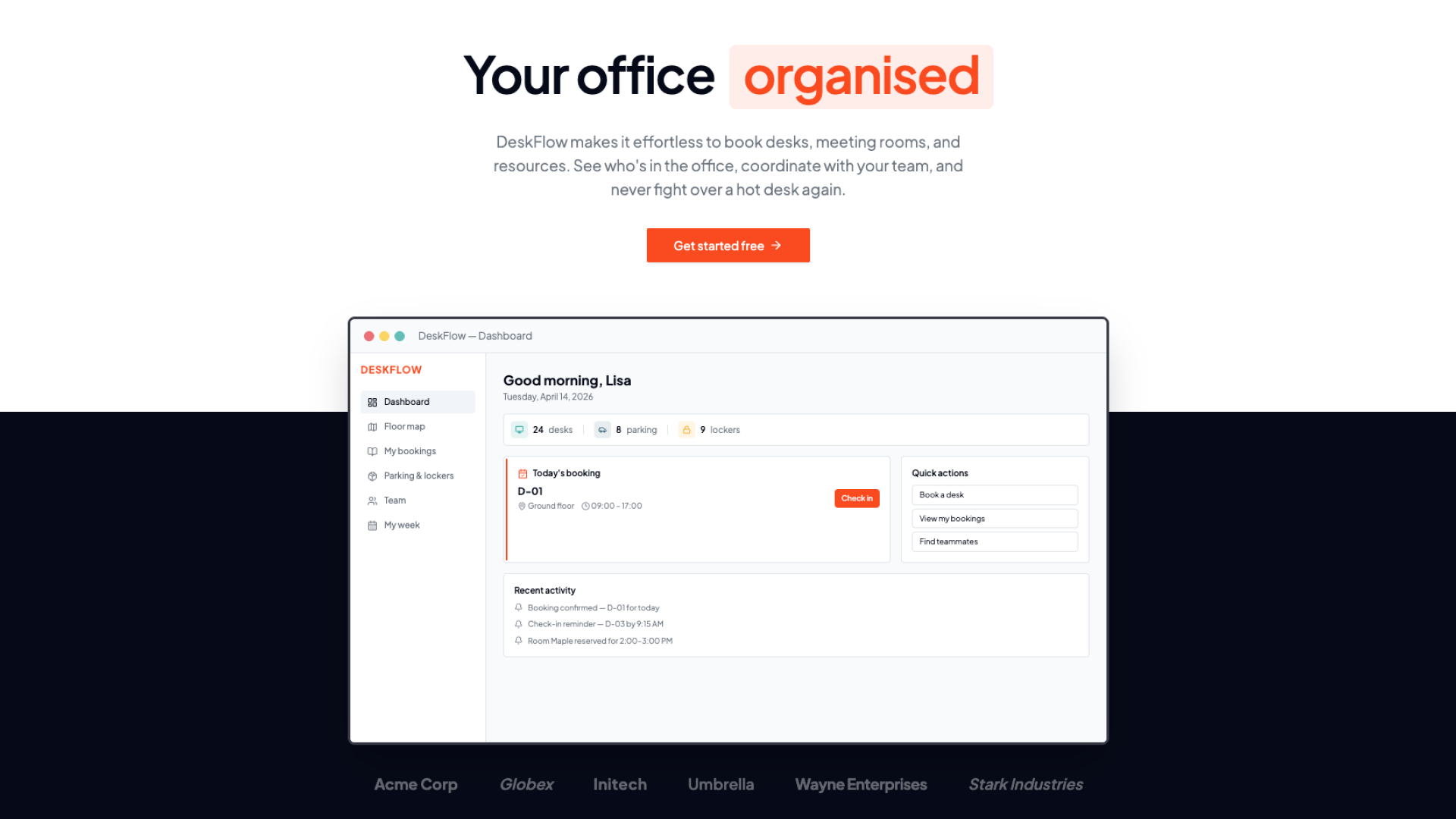
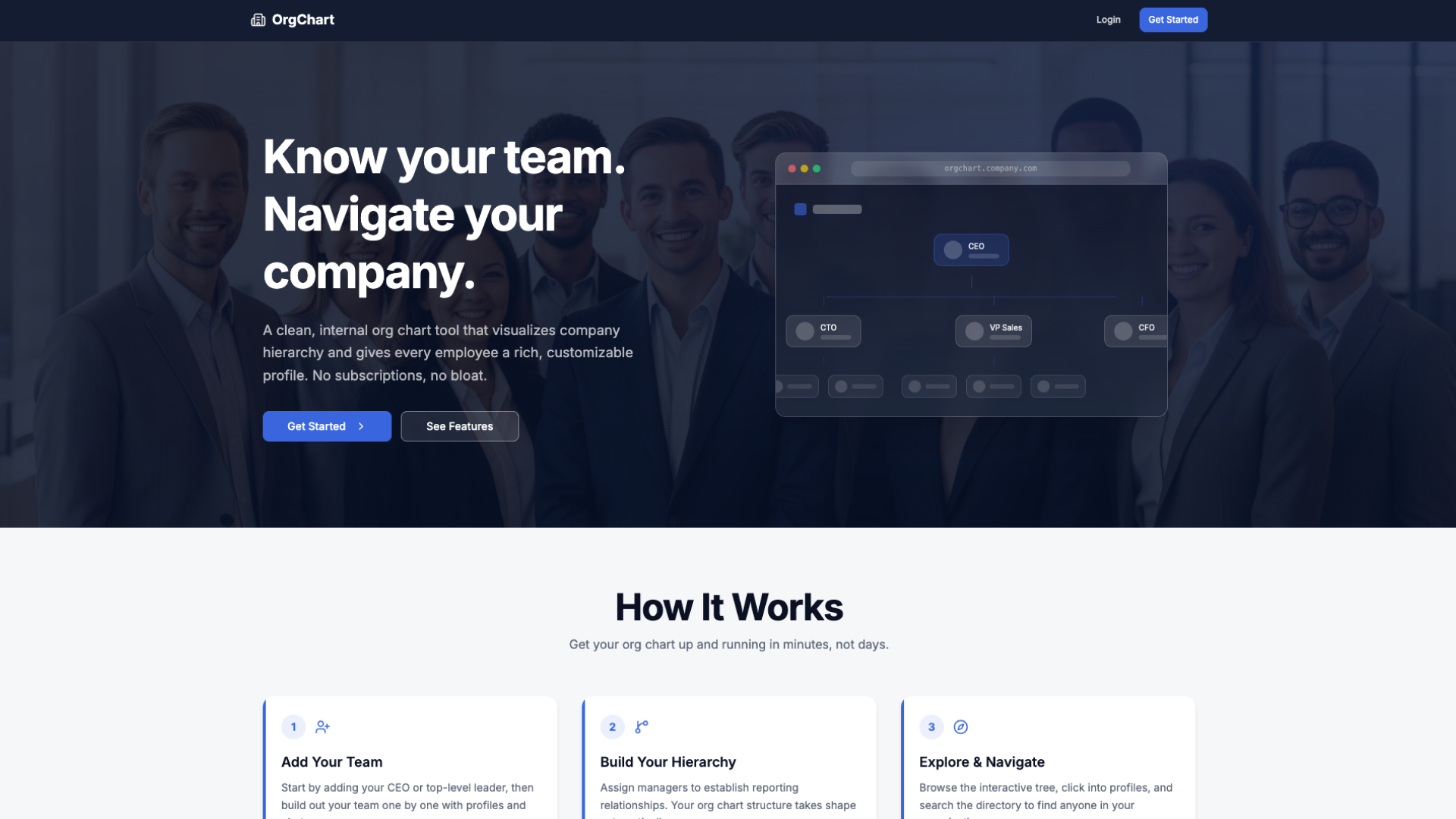
Two years ago, a credible MVP MVP The simplest version of a product that can be released to early users to gather feedback and validate a business concept with minimal effort. It contains just enough core features to satisfy early adopters and test key assumptions. Example: A basic dashboard with user authentication and one core AI-assisted feature built to see if users will log in daily. still implied weeks of wiring auth, dashboards, and integrations. Today, AI-assisted builders — Lovable, Cursor, Bolt, and a growing long tail — compress that loop into hours. The launch feed on ProductRack reflects the supply shock: more products per week, thinner differentiation, faster copycat cycles.
That shift is real and mostly good. Founders waste less time on boilerplate Boilerplate Standard, repetitive code or setup tasks that are required for almost every software application but do not add unique value to the product. This includes infrastructure like user login, database connections, and payment processing. Example: Spending the first week of a project setting up basic user authentication and database connections instead of building the unique AI feature. . But it also means "I built it" is no longer evidence of seriousness. Investors, directories, and early users now assume the demo exists. They ask the next questions immediately: Who is this for? Why you? Why now? What happens when OpenAI ships the feature?
What got scarcer: judgment, distribution, and timing
Good ideas were never common; they just used to hide behind execution risk Execution Risk The likelihood that a company will fail because it cannot successfully build, launch, or operate its product, rather than because the market doesn't want it. Historically, high execution risk kept weak concepts from ever reaching the market. Example: A startup failing because its engineering team could not successfully scale the database infrastructure to handle high traffic. . When building was expensive, a weak concept often died quietly in a backlog. Now weak concepts ship — and fail publicly in Product Hunt comments, Hacker News threads, and crowded SEO niches.
Three scarce inputs matter more than ever:
Wedge clarity Wedge Clarity Having a highly specific, narrow entry point into a market by addressing one acute pain point for a very defined group of users. This allows a startup to gain an initial foothold before expanding into broader offerings. Example: Launching an AI tool specifically designed to draft compliance reports for medical device startups, rather than a general AI writing assistant. — Can you state the buyer, the acute pain, and the 10x moment in one sentence without saying "AI-powered"? If the sentence could describe twelve launches from this week's feed, you have a feature, not a product.
Distribution path — Implementation ease does not create demand. The founders winning in the AI era pair fast build cycles with a channel they already understand: an audience, a workflow embedded in a team, a regulatory trigger, or a community that trusts them.
Timing against platform gravity Platform Gravity The competitive pressure and risk exerted by major platforms when they build features directly into their operating systems or core products. This often makes third-party wrappers or simple add-ons obsolete overnight. Example: A startup building a simple PDF summarizer tool losing its entire user base when OpenAI adds native PDF summarization directly into ChatGPT. — When a platform adds your category natively, your wrapper dies first. Ideation now includes reading platform roadmaps and incumbent adjacency, not just GitHub stars.
How to ideate when everyone can ship
Treat AI as a research accelerator, not a verdict machine. Use it to explore problem spaces, summarize competitive density, and draft interview guides — then go validate with humans who pay or suffer the pain.
A practical loop we see across high-signal launches:
1. Start from repeated pain, not clever tech — Scroll recent launches and ask which problems show up across sources. Syndication (same product on PH + HN + Indie Hackers) is a weak but useful filter for sustained founder effort.
2. Score crowded vs. empty lanes — High launch volume in a category with shallow reviews often signals tourist founders. Low volume with rising external demand (npm downloads, GitHub velocity, community buzz) can mark early whitespace.
3. Prototype only after a falsifiable bet — Write what would prove you wrong in 14 days: a paid pilot, a waitlist conversion rate, a manual concierge outcome Concierge Outcome A validation method where founders manually perform the service or deliver the value of the product behind the scenes instead of building automated software. This helps prove that users actually want the solution before writing code. Example: Manually matching job seekers with employers via email to test a recruitment platform concept before building the matching algorithm. . Build the smallest artifact that tests that bet — not the fullest artifact AI makes pleasant to generate.
4. Name the unfair advantage — Data access, compliance expertise, workflow lock-in, or brand trust. "We used AI to build faster" is table stakes; it is not a strategy.
The AI era rewards founders who ideate like editors, not like codegeners: ruthless about novelty, honest about distribution, and slow to confuse a polished demo with product-market fit.
The new bar for "good idea"
A good idea in 2026 is not a novel interface. It is a credible theory of who will change behavior, why incumbents will not serve them well, and how you will reach them before capital-efficient copycats arrive.
ProductRack exists to make that theory testable against live launch data — not to replace your judgment, but to shorten the loop between hunch and evidence. When building is easy, the founders who win are the ones who still do the unglamorous work: picking a wedge, proving urgency, and earning distribution before the template stores catch up.