Launch Volume and Category Distribution
Today's tracking captured 117 fresh launches out of 219 total products, heavily led by Productivity (21 today, 44 total) and Developer Tools (15 today, 49 total). AI agents also show strong momentum with 33 total products. The data indicates a high concentration of web-based applications (168) and open-source projects (85), signaling a continued push toward accessible, self-hostable tooling Self-hostable tooling Software applications that users can install, run, and maintain on their own private servers or local machines rather than relying on a vendor's cloud infrastructure. This approach gives organizations complete control over their data, security, and compliance. Example: A developer choosing to run an open-source database manager on their own AWS instance instead of using a fully managed SaaS version. .
Identified Market Gaps and Problem Spaces
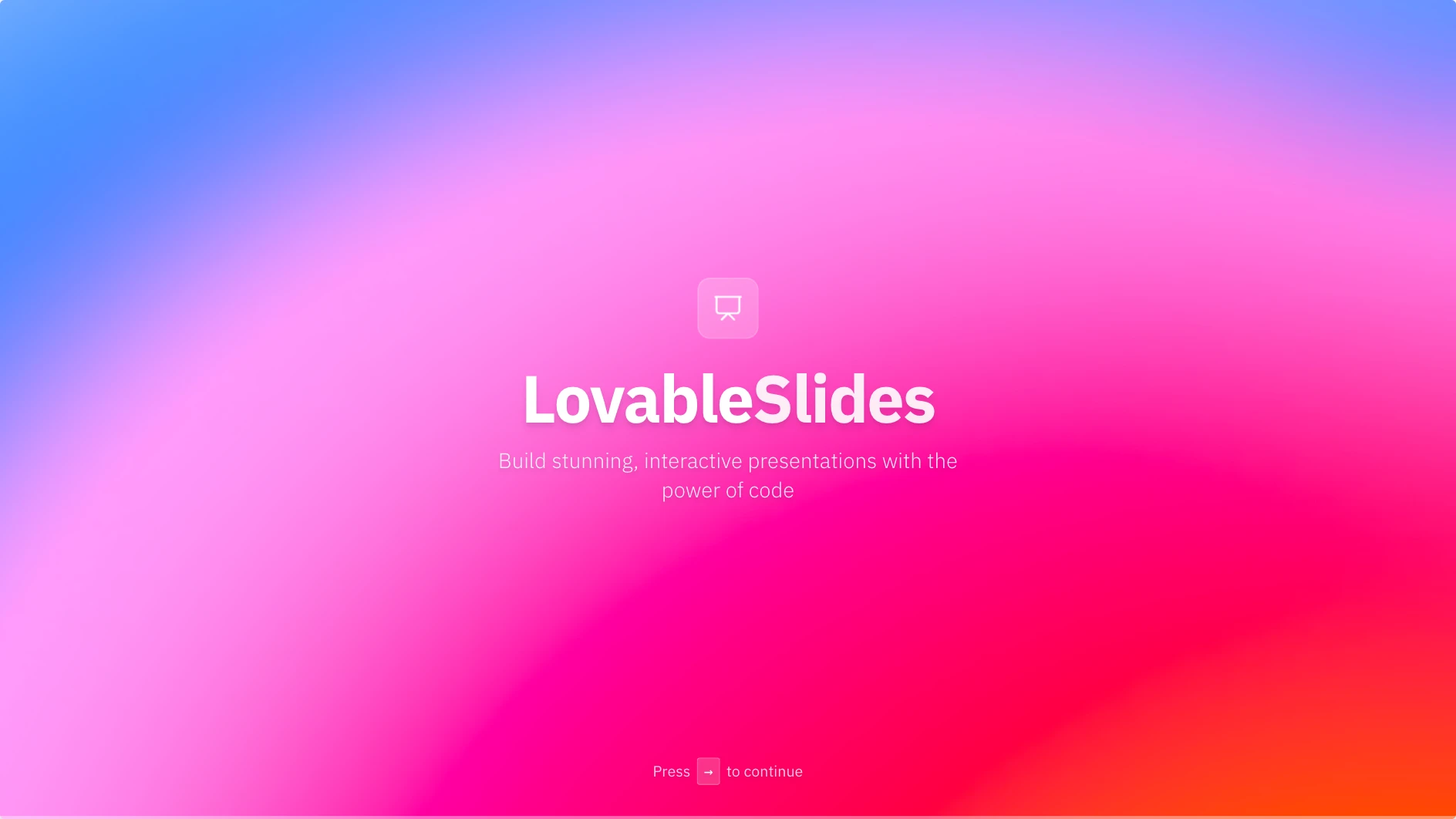
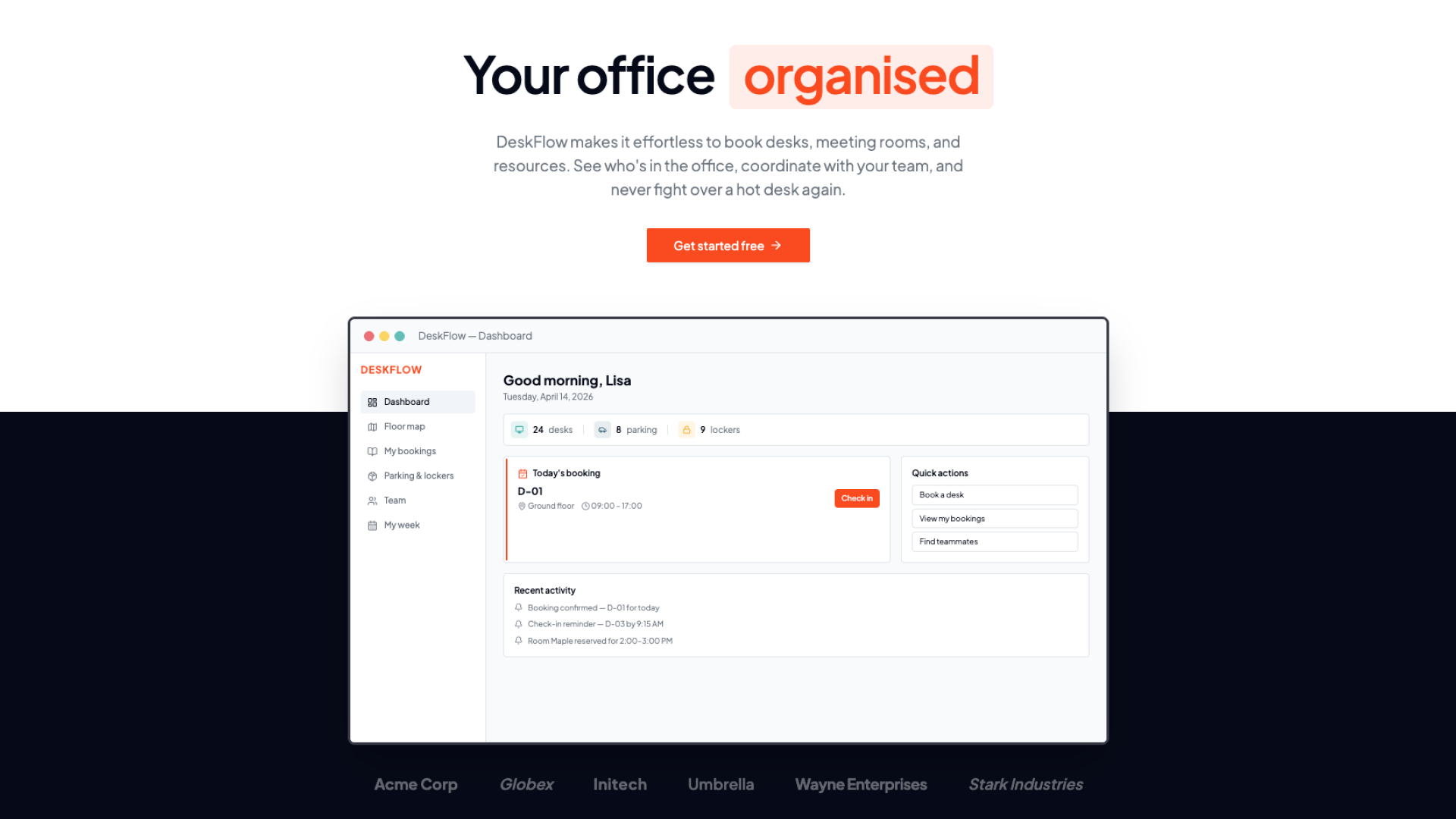
Analysis of recent launches reveals clear white spaces White spaces Underserved or completely unaddressed areas in a market where customer needs are not being met by existing solutions. Startups target these gaps to avoid direct competition with established incumbents. Example: Identifying that existing enterprise HR suites are too complex for simple hybrid office coordination, leaving a market gap for a lightweight desk-booking tool. in static workflows. In developer tools, REPOLENS addresses the issue of outdated, manually maintained software architecture documentation by offering automated living docs Living docs Documentation that automatically updates itself in real-time as the underlying codebase, system architecture, or product features change. This prevents technical documentation from becoming obsolete and inaccurate over time. Example: A tool like REPOLENS that automatically scans a software repository and updates the system architecture diagrams whenever new code is merged. . In productivity, Lovable slides targets the time-consuming nature of manual slide formatting with AI-native AI-native Software that is designed and built from the ground up with artificial intelligence as its core foundation, rather than adding AI features as an afterthought to a legacy system. Example: A presentation tool like Lovable slides that generates complete, formatted slide decks from a text prompt, rather than a traditional editor that merely includes an AI writing assistant. presentation templates. Additionally, DeskFlow highlights a gap in the hybrid office space, offering a lightweight desk-booking alternative to overly complex enterprise HR suites.
Monetization Trends and Pricing Models
Open-source models dominate the current tracking cycle with 56 products (e.g., Curricula and Sound Index), followed by enterprise (24) and subscription-based models (24). Freemium models represent a smaller segment with 7 products. This distribution suggests that developers are increasingly leveraging open-source positioning Open-source positioning A go-to-market strategy where a company makes its core software code publicly accessible for free to drive rapid adoption, build developer trust, and establish a community before introducing paid tiers. Example: A startup releasing its core application monitoring tool for free on GitHub to gain widespread adoption, while charging enterprises for advanced team collaboration features. for initial distribution Initial distribution The early-stage marketing and sales channels used by a startup to get its product into the hands of its first users and build initial market momentum. Example: Leveraging open-source communities to organically acquire the first thousand developer users without spending capital on paid advertising. , while reserving enterprise tiers for advanced team coordination features.
Geographic and Builder Clusters
Geographic data reveals a notable cluster of founder activity in Nashville, TN, USA, accounting for 23 mapped founders. This concentration highlights emerging regional hubs outside traditional tech capitals that are actively contributing to the open-source and productivity ecosystems.