Polish became a commodity
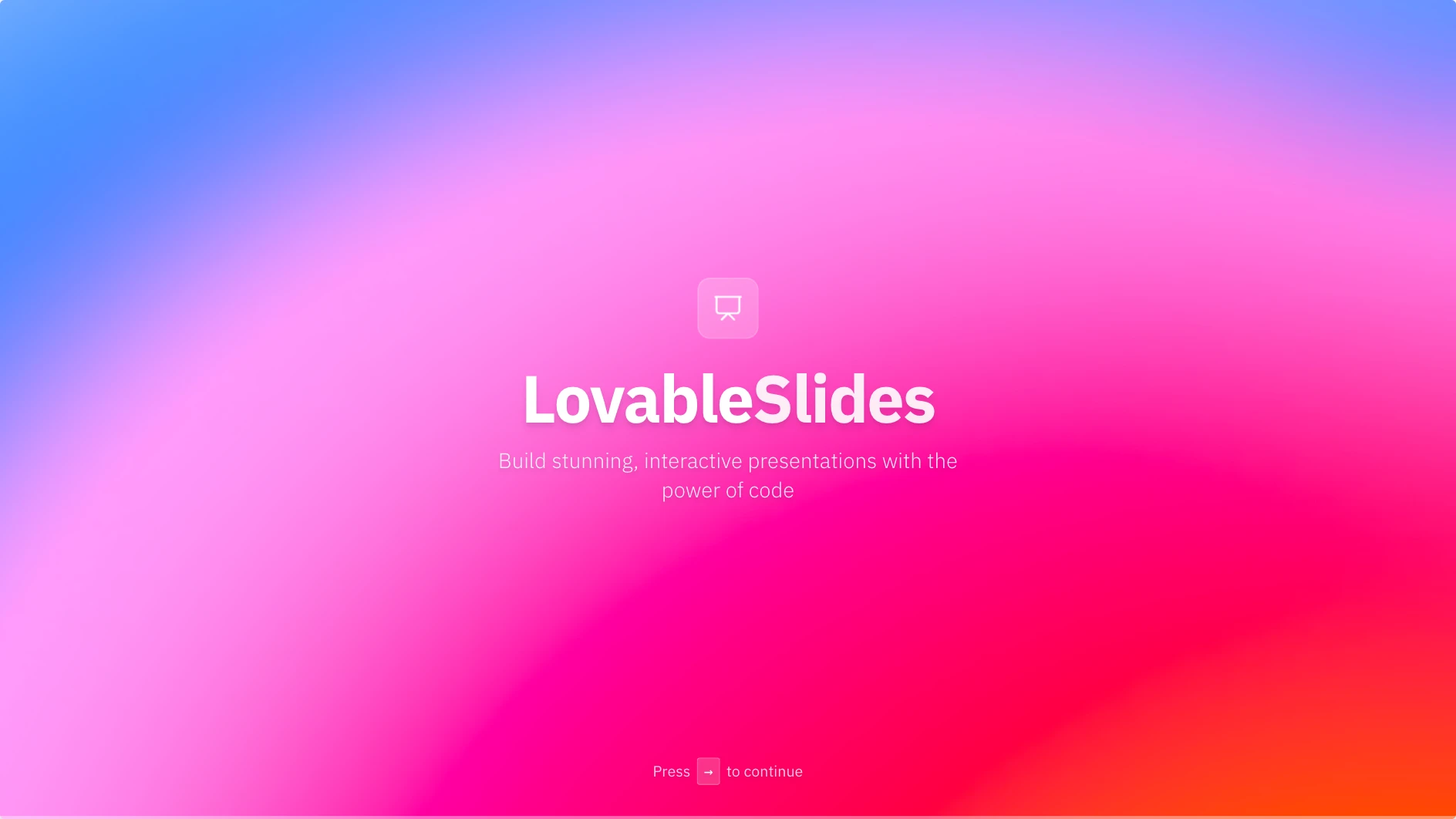
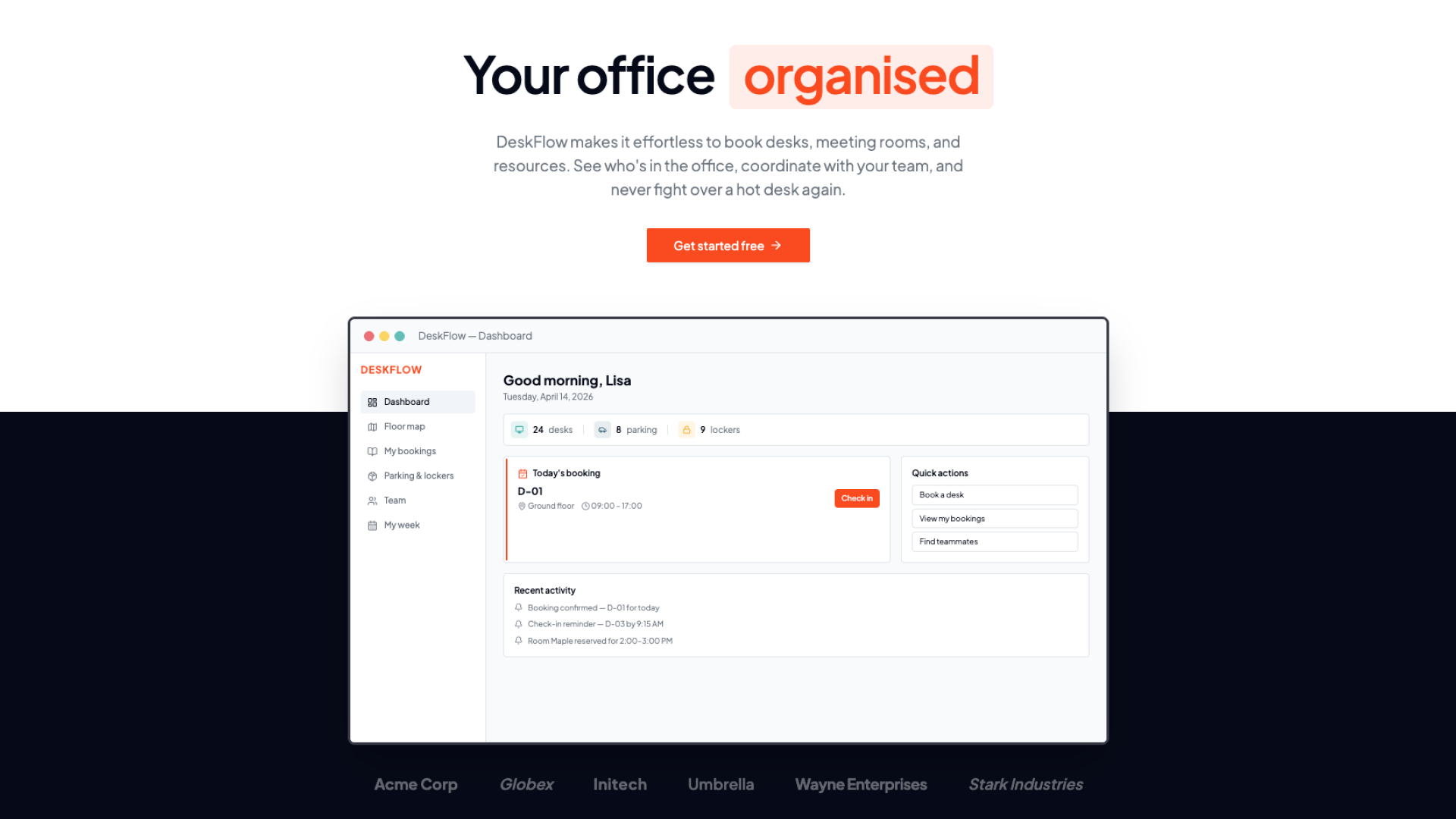
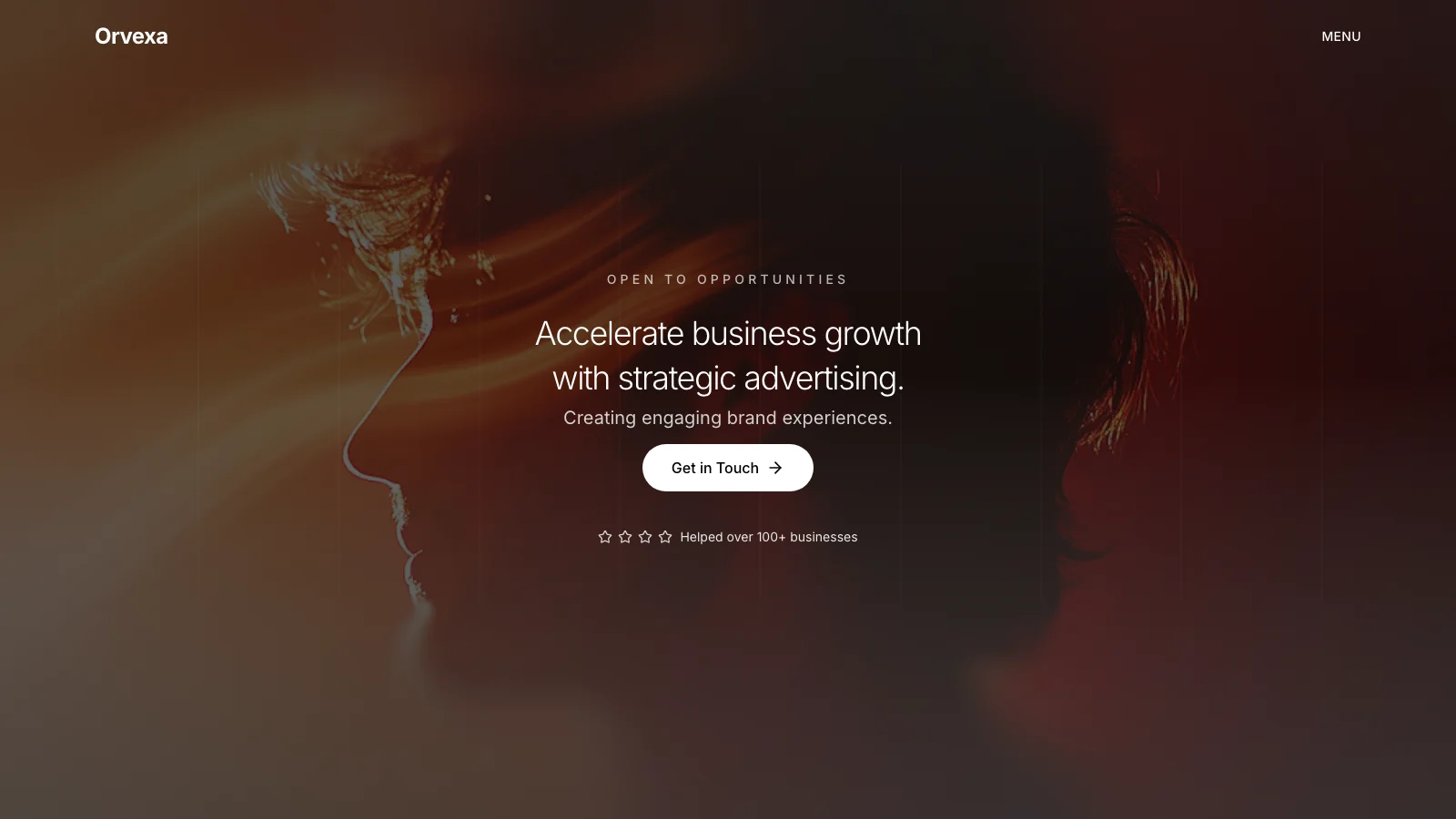
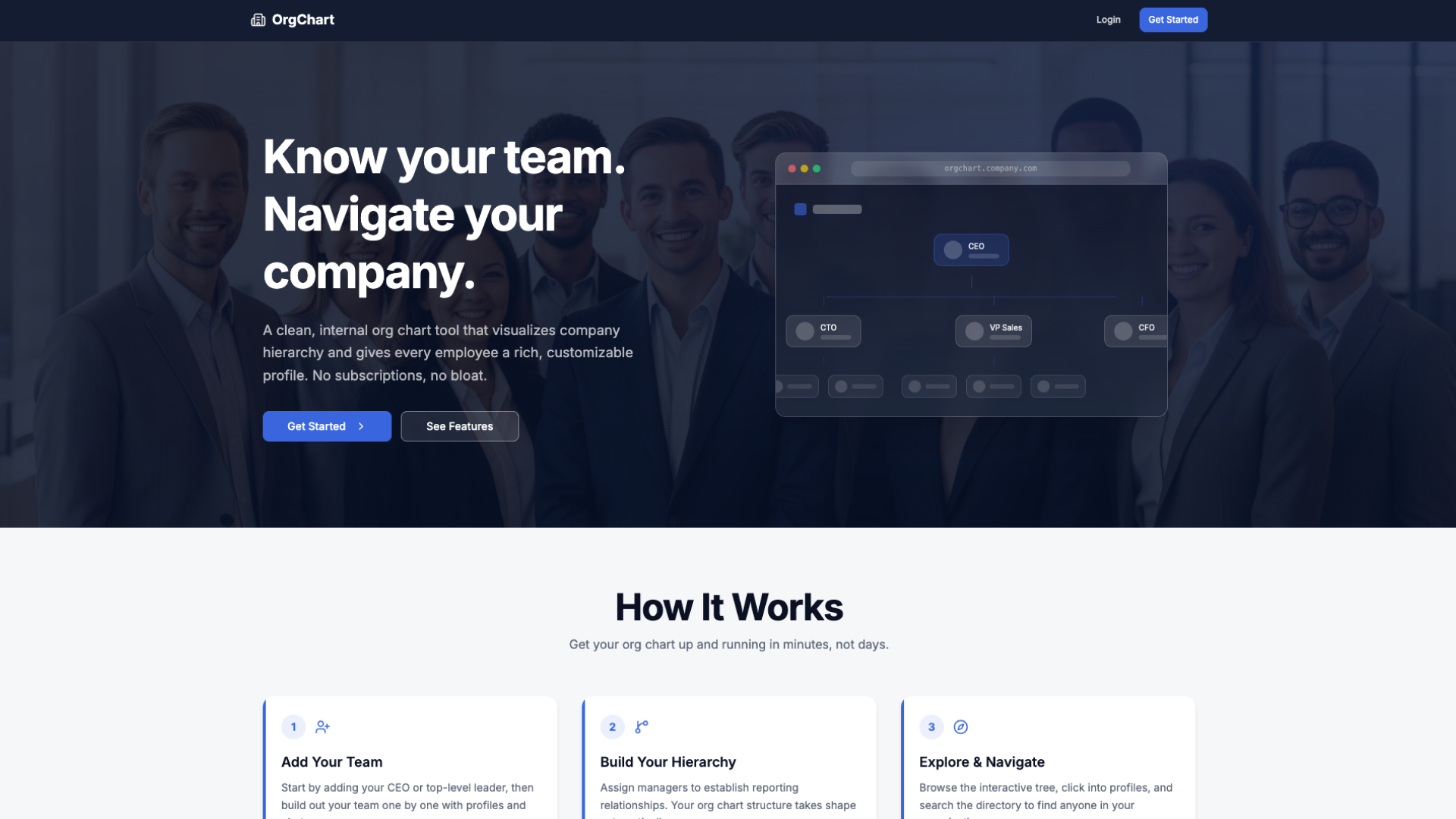
Scroll the Lovable and AI-builder lane on any given week and you will see the same ingredients: dark mode, gradient hero, three feature columns, "AI-powered" somewhere above the fold. The craft of making software look legitimate has been automated. Users notice — even if they cannot articulate it. Template fatigue is real: skepticism rises when every product feels assembled from the same kit.
That does not mean design stopped mattering. It means design is no longer sufficient proof that you have a business.
Where differentiation still lives
When the interface converges, winners differentiate on dimensions templates cannot copy quickly:
Vertical specificity Vertical specificity The practice of designing software workflows, terminology, and defaults tailored exclusively to the unique needs of a single industry or specific job role. Example: Creating a platform specifically for e-commerce fractional CFOs rather than a generic financial tool for all businesses. — Language, workflows, and defaults for one role in one industry. "Project management" is a graveyard. "Close workflow for fractional CFOs serving e-commerce brands" is a wedge Wedge A highly specific, narrow entry point into a market that allows a startup to secure its first customers before expanding into broader offerings. Example: Instead of launching a general project management tool, a founder uses a close workflow tool for fractional CFOs as their initial market entry point. .
System of record System of record The primary, authoritative storage system that holds the single source of truth for a business's critical data, making it highly sticky and difficult for customers to replace. Example: A database that securely stores compliance logs, inventory truth, or customer approvals that a company relies on for daily operations. — Own the data layer someone needs tomorrow morning: compliance logs, customer approvals, inventory truth. Chat wrappers Chat wrappers A lightweight user interface built on top of an external AI model (like OpenAI's GPT) that does not own the underlying technology or data layer. Example: A simple conversational interface that queries an LLM to generate marketing copy but does not store proprietary customer data or integrate into deeper workflows. rarely become systems of record.
Go-to-market identity — The same feature set marketed to developers vs. operators vs. agencies is effectively different products. Positioning is part of the product.
Constraint as feature — Doing less, but with opinionated defaults that save a buyer forty hours. AI makes it tempting to add everything; focus is now a competitive act.
Red flags in your own ideation
Before you build, stress-test the idea against template fatigue:
- Could a competitor clone your landing page from a prompt in an afternoon?
- Does your one-liner mention AI before it mentions a buyer?
- Would ten launches from this week's feed sound similar in a blind test?
If yes, you may have a demo concept, not a company. The fix is not "more features." It is narrower pain, sharper language, and proof that a specific buyer already searches for a workaround — spreadsheets, Slack threads, manual services.
ProductRack's catalog and syndication views help here: repeated launches in a category signal crowded templates; multi-source traction with niche language signals something sharper.
Building when the UI is the easy part
Use AI to explore, not to define. Let it draft interviews, summarize competitive density Competitive density The concentration of rival products or startups competing for the attention of the same target audience within a specific market segment. Example: Using AI to analyze product catalogs and launch feeds to see how many other companies are offering similar templates in the same category. , and prototype flows — then force a decision: who pays, for what job, instead of what alternative?
The founders breaking out of template fatigue ship ugly specificity early: custom onboarding for one segment, export formats that match a real compliance need, pricing tied to a measurable outcome. They add polish after language-market fit Language-market fit A precursor to product-market fit where a startup discovers the precise messaging, terminology, and positioning that immediately resonates with their target buyers. Example: A founder realizes that pitching their product as a 'compliance export tool' gets immediate responses from buyers, while calling it 'AI-powered productivity' gets ignored. , not before.
Good ideas in the AI era are often visually boring and commercially obvious — to the right fifty customers.